
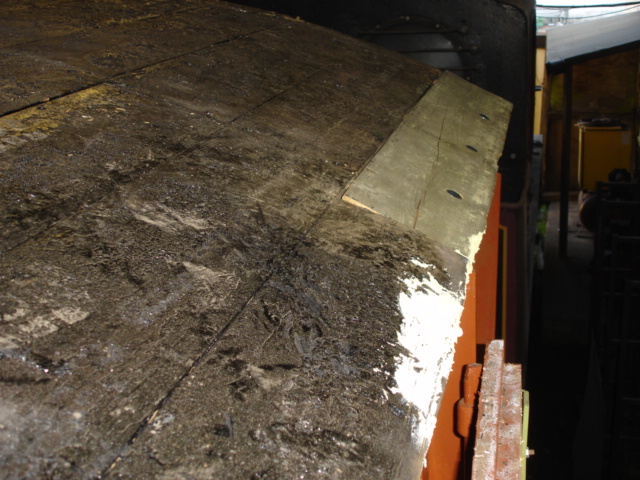
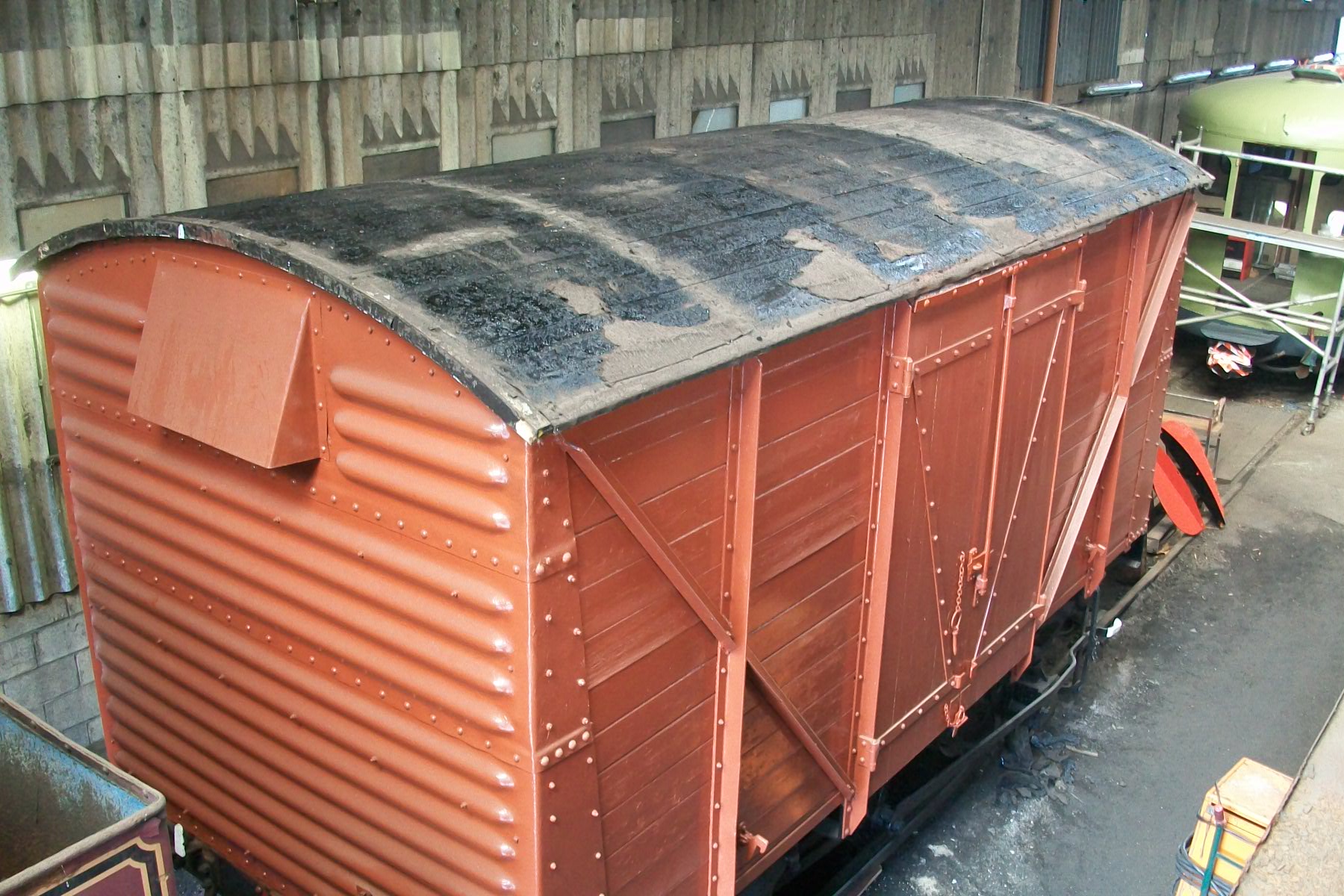
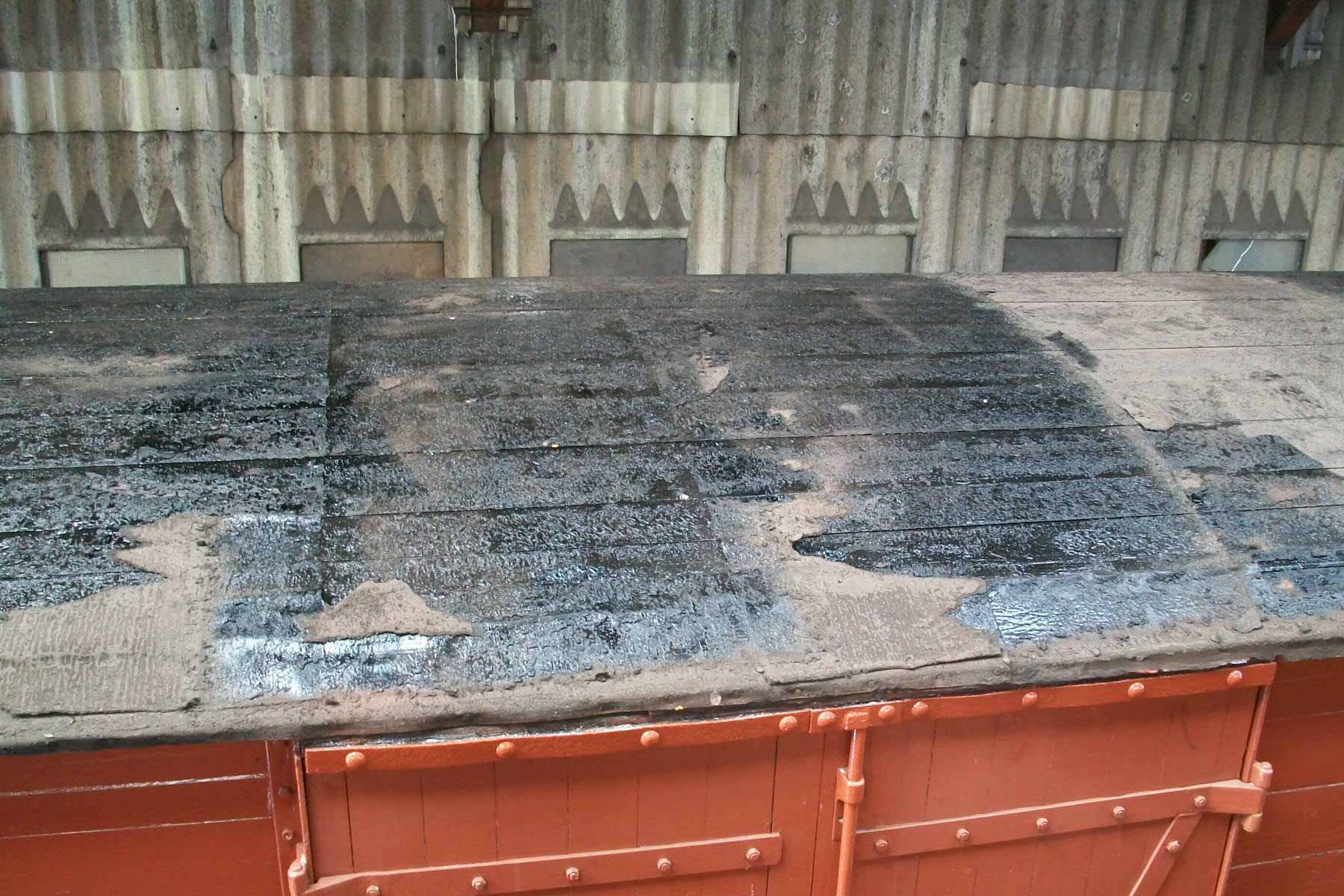
The roof has now been entirely stripped of old felt and canvas, with particular care taken to remove all old nails. A little rot was discovered in two places, this was cut out and replaced using boards recovered from the roof of a partially burned-out grounded van body elsewhere. The canvas adhesive will form quite a thick coat (approximately 1/4 inch or so) and will even out any areas that are currently a little rough, such as the joint of the replacement timber shown above. In the photo it can also be seen that some exterior wood filler has been used to fill a small hole in an otherwise sound board.
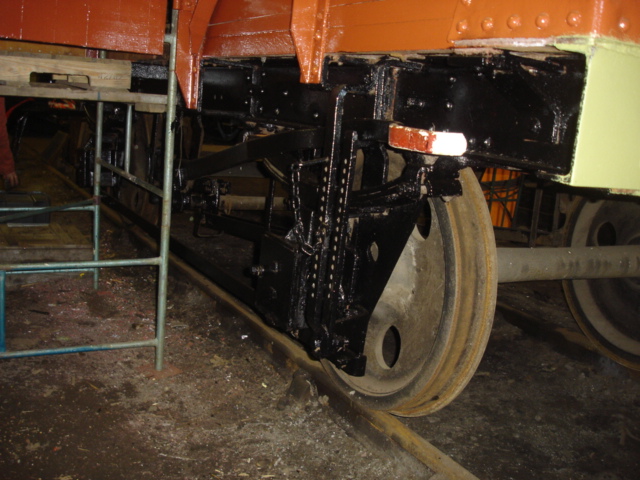
While work was progressing on the roof, work was also being undertaken on the underframe. After being brushed down, the north side has now been painted with gloss underframe black to make it more presentable.
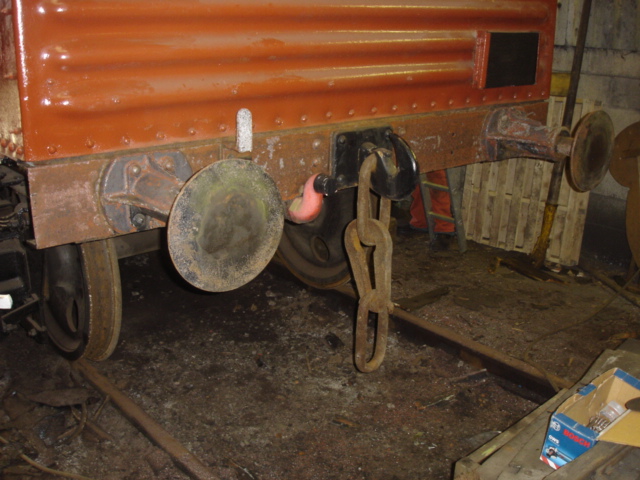
The headstocks (buffer beams) and buffer shanks were also needle-gunned back to bare metal, as a fair bit of the old paint was flaking off and there were some small areas of rust-pitting that needed cleaning up.
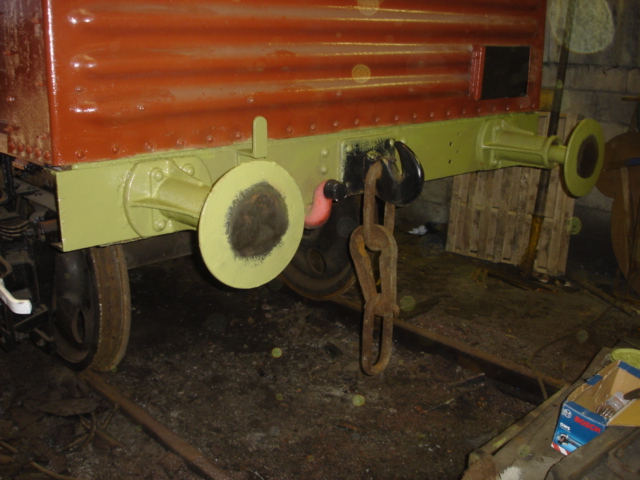
The needle-gunned areas were then primed, ready for black topcoat next time. The ‘To Do’ list is now considerably shorter, the main outstanding tasks now being application of the new canvas, painting same, applying the lettering (stencils ready to go), and undertaking a sort and tidy of the contents inside. We are aiming to outshop this van in time for the September steam gala so it may run in the demonstration goods train during that event.
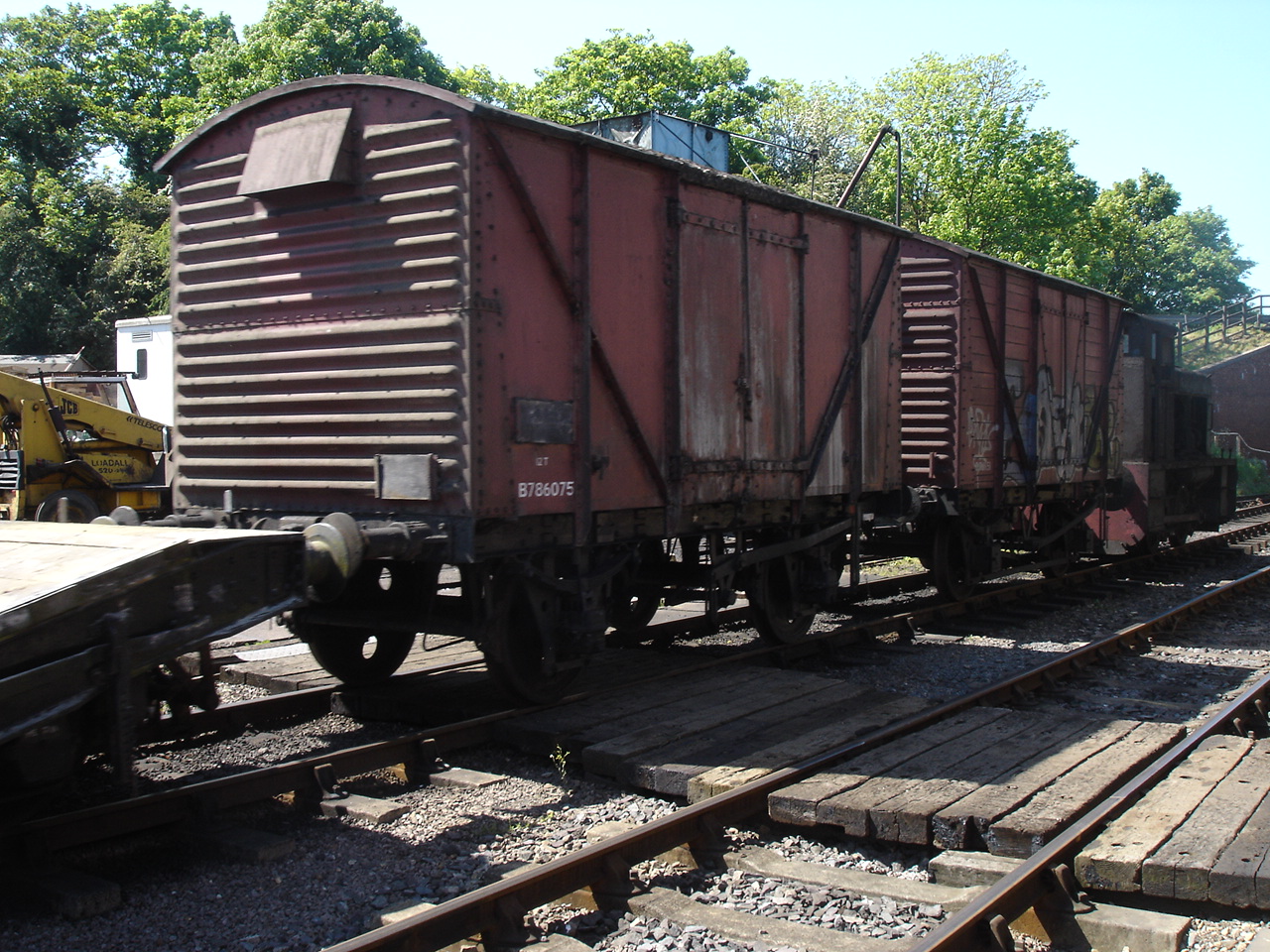
Whilst at the railway, a shunt was undertaken involving vehicles from the tunnel and cutting. Ply van B786075 emerged and we were stunned by its condition – with bodywork apparently much better than that of the other vans on the railway – despite several years of storage in the damp tunnel. This discovery has meant that B786075 is a prime contender for an early restoration into traffic, even allowing for the fact that on cursory initial inspection, new doors will be required (no different to any of the other vans there!)
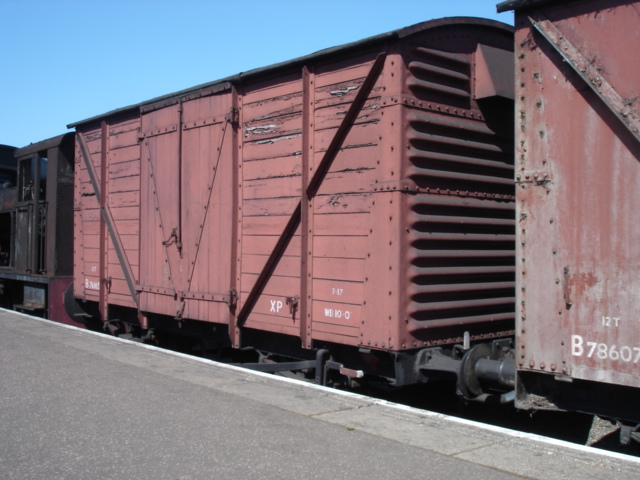
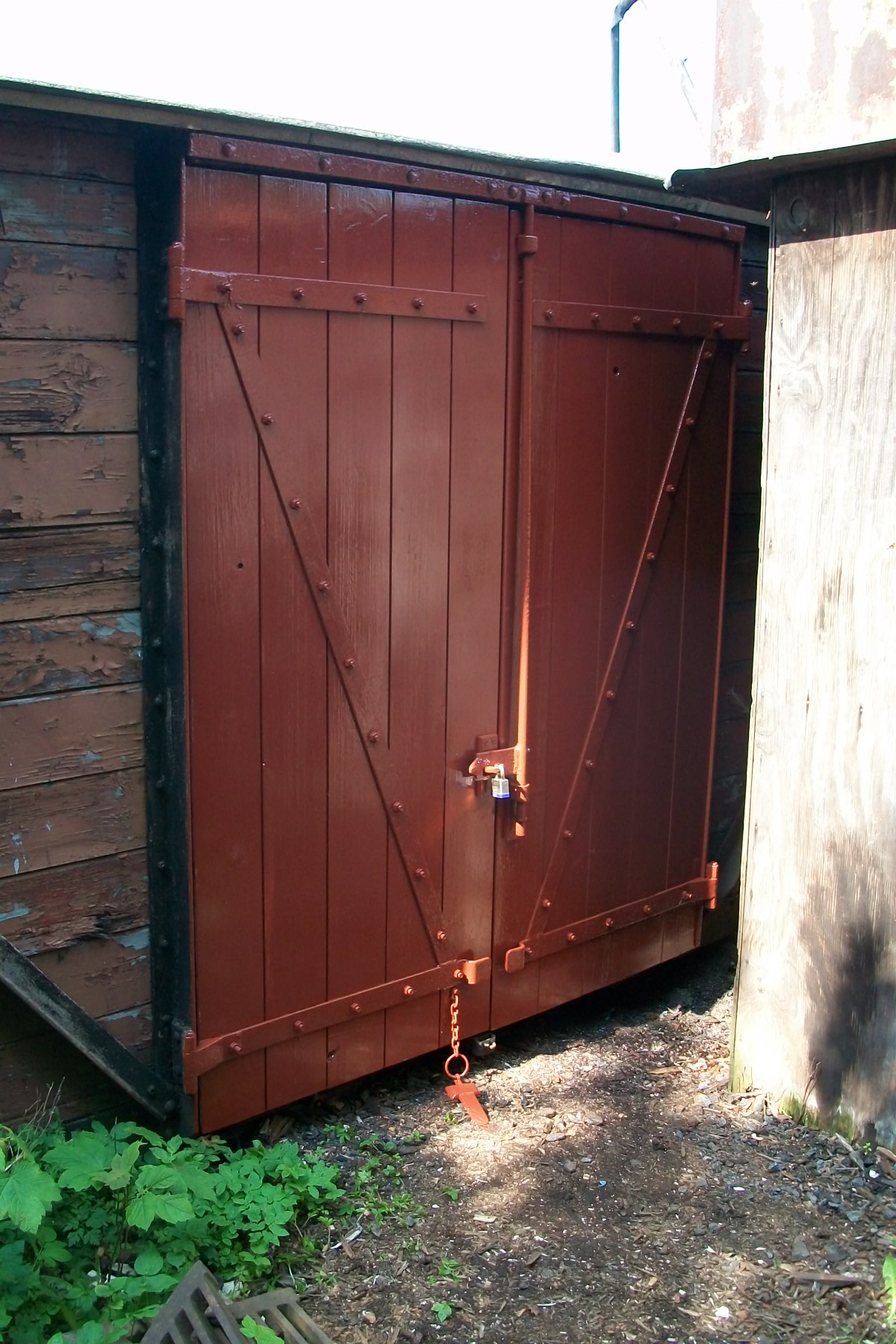
Also in the tunnel was planked van B761651. This again is in remarkably good condition, even retaining its vacuum brake cylinder (most of the vans on the railway lost these during their industrial service at British Sugar, although we do have some spares in stock for potential fitting in future) and at least one set of what appear to be decent doors as seen here. Therefore this van is also an early contender for restoration. It is incredible that these two vans appear to need little more than a service and a coat of paint, although we can’t quite believe that yet so we will make the disclaimer that you never know what you’ve got until you look closely..!
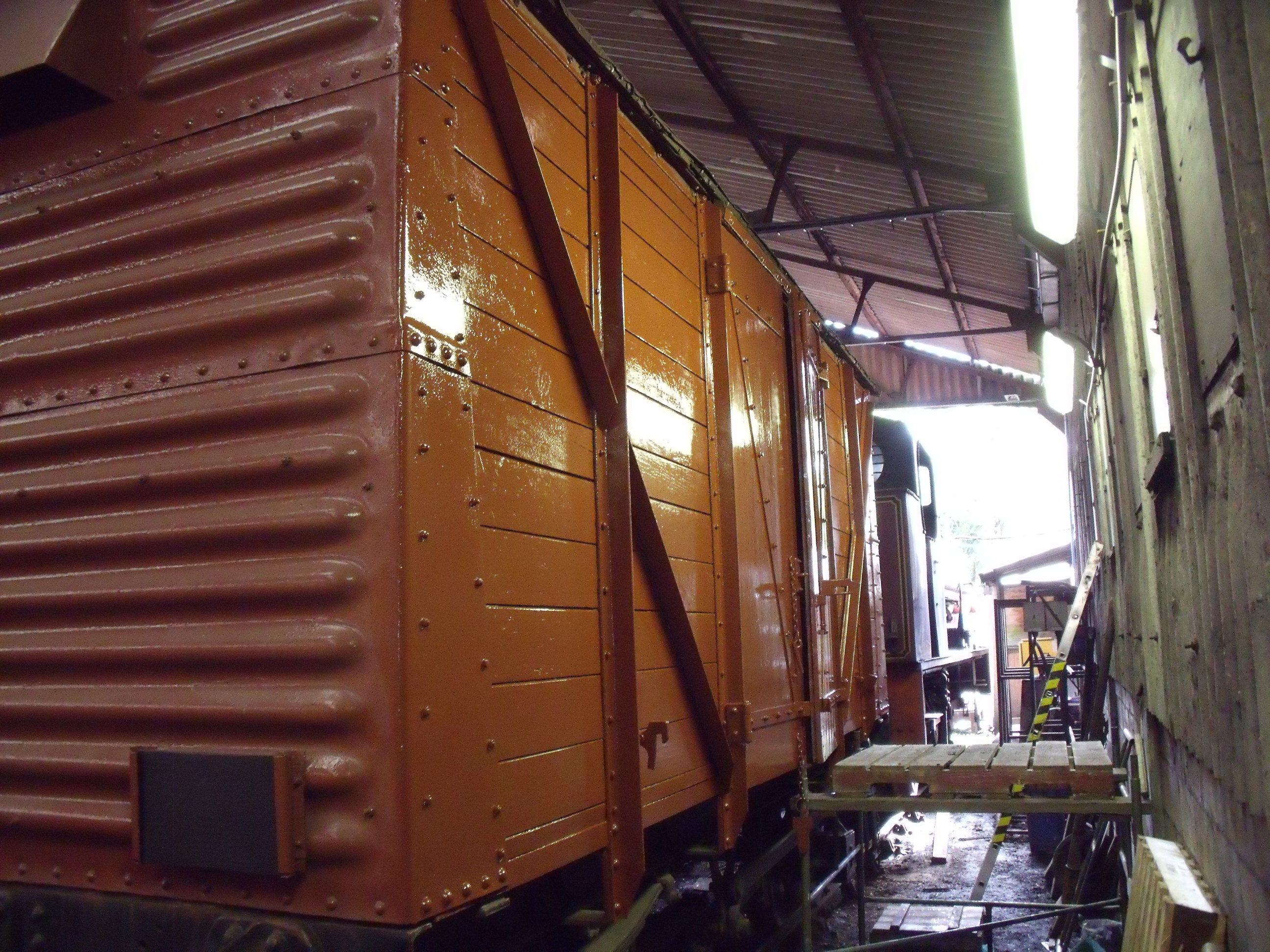
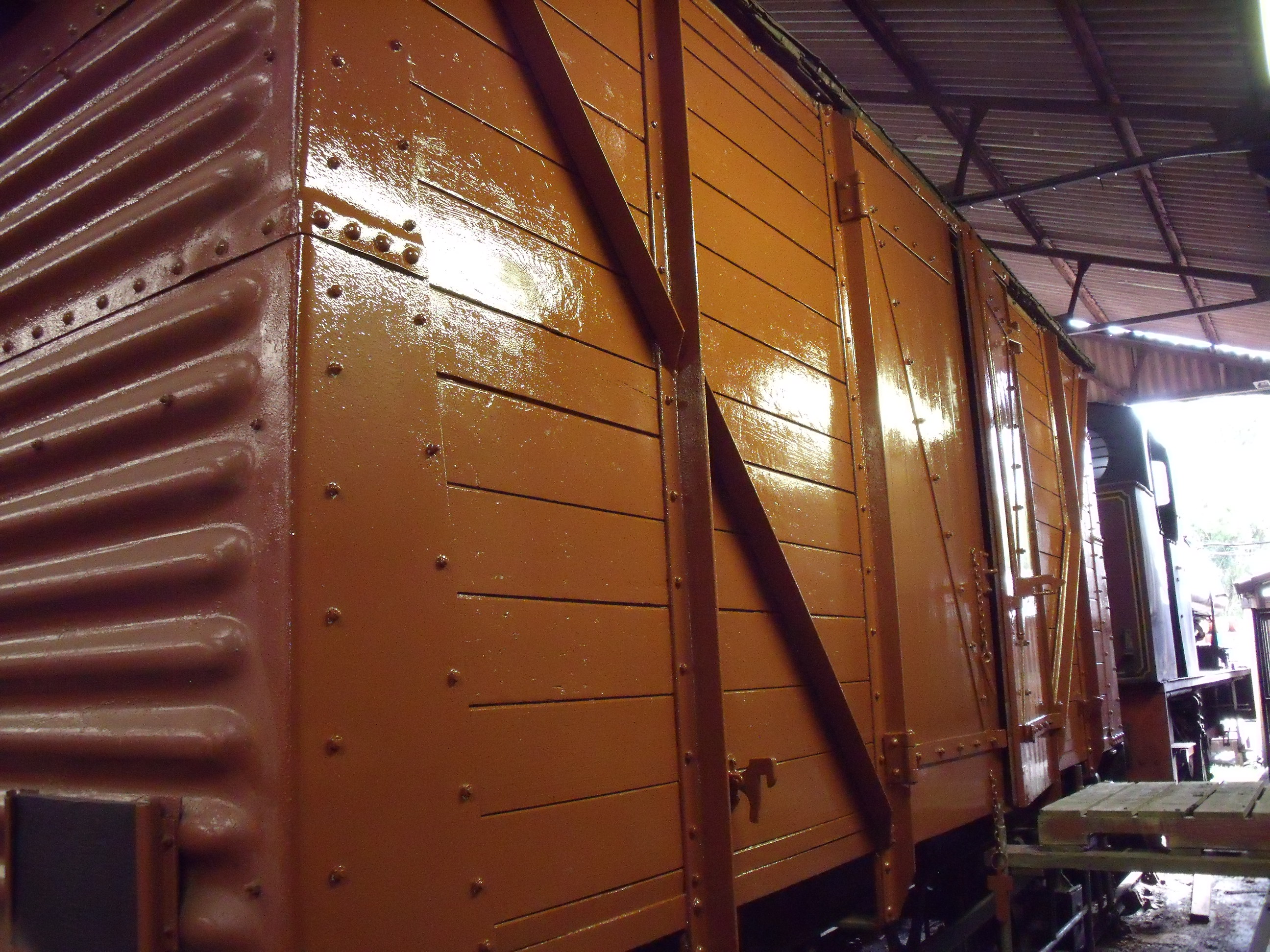
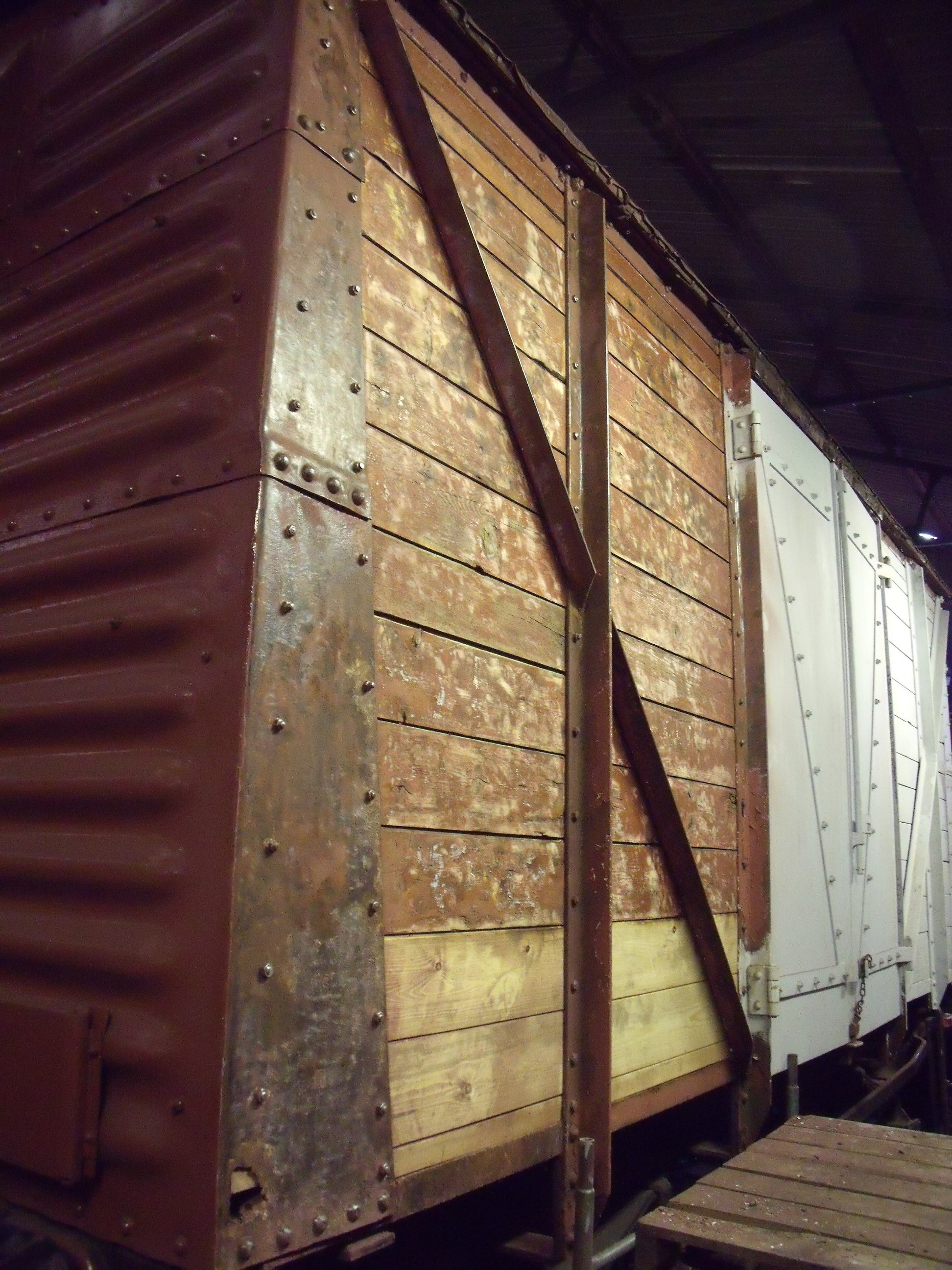
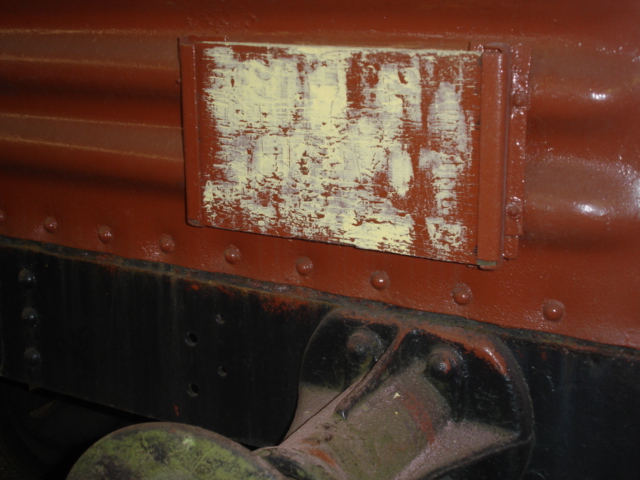
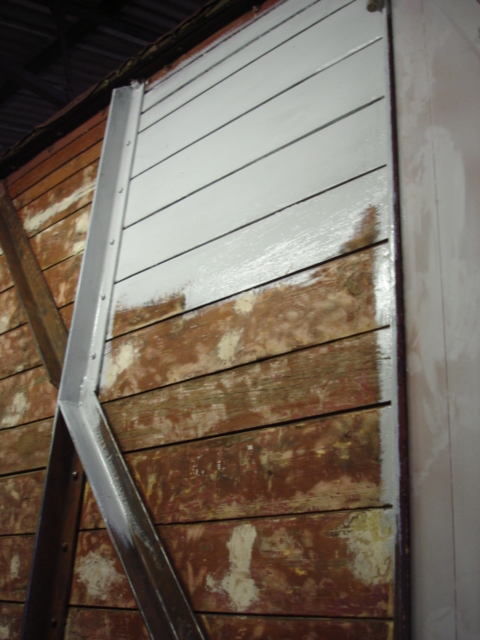


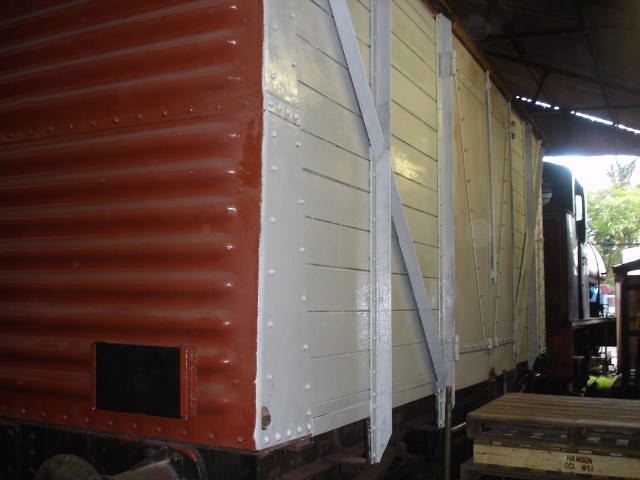
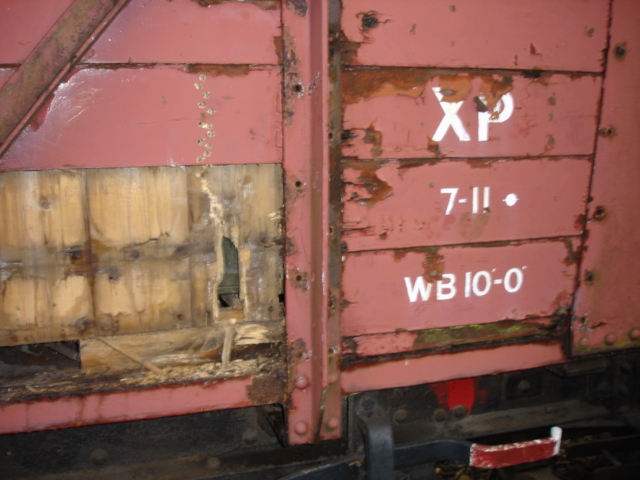
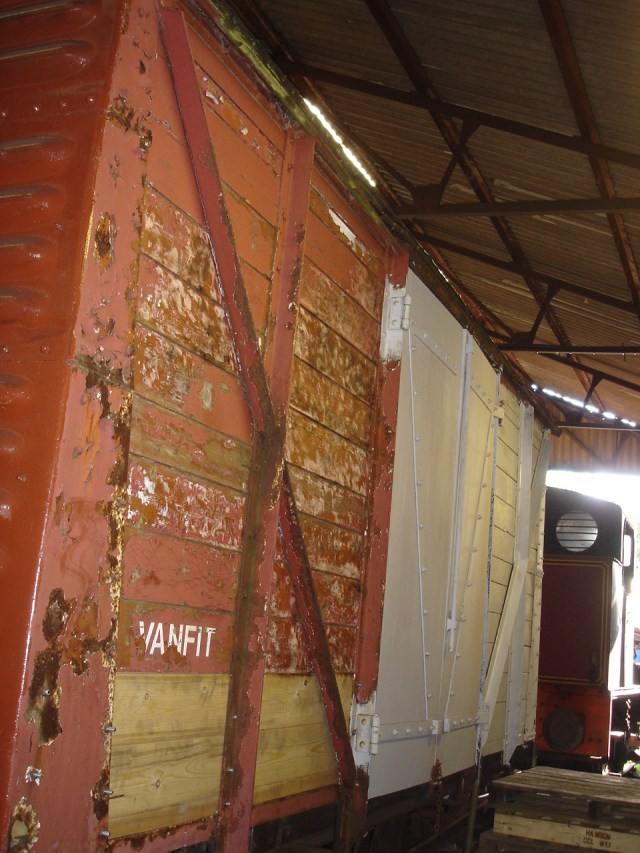 Using a hot air gun, more of the old paint has been stripped off the bodyside to the left of the doors.


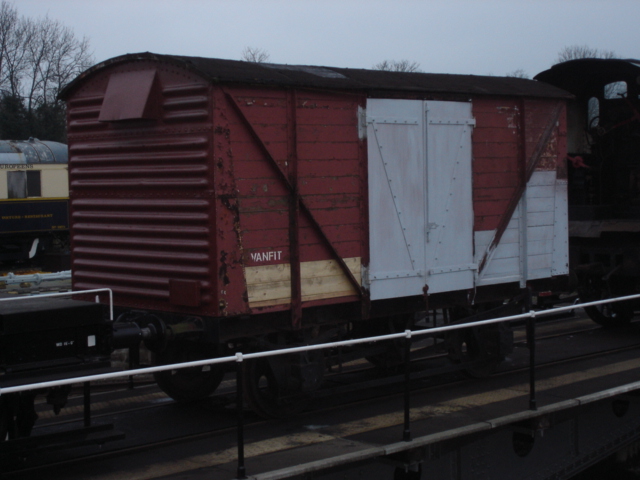
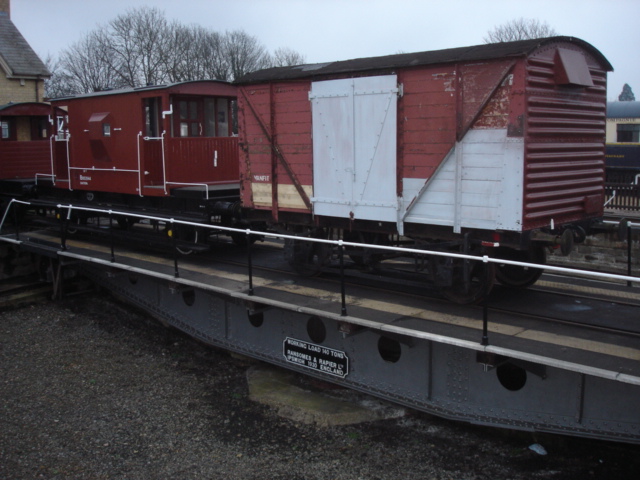
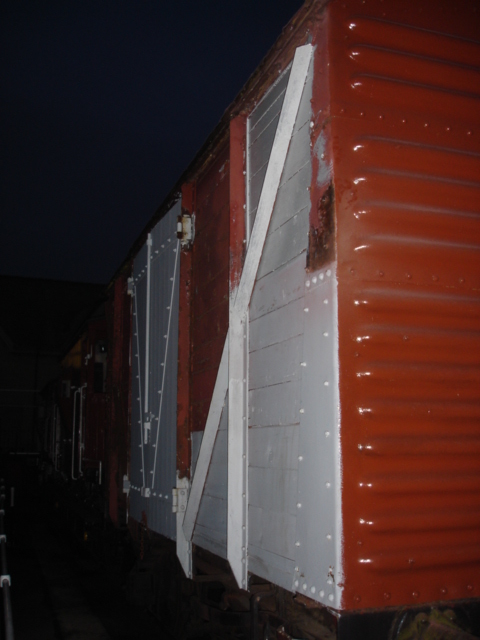
 A substantial section of the north
 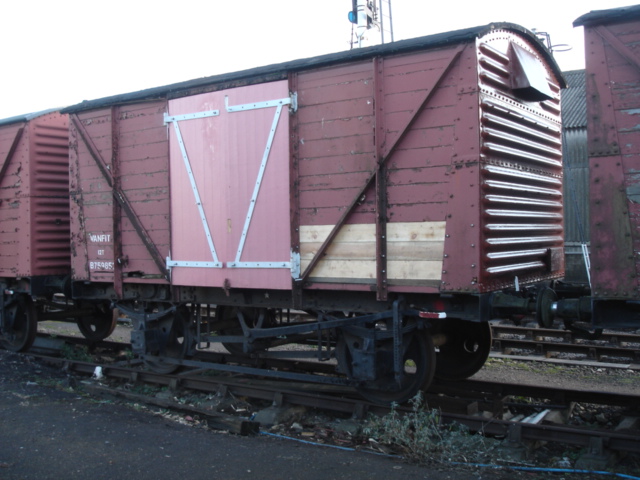 The final thin (lowest) plank on the right-hand side has been cut and planed to shape, and the new planks drilled and bolted in place.
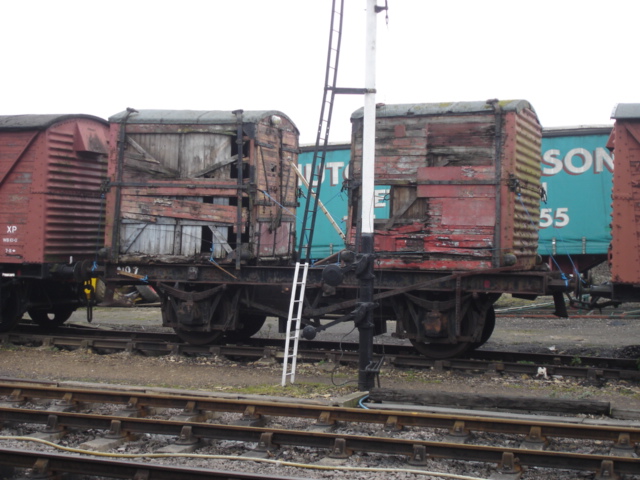
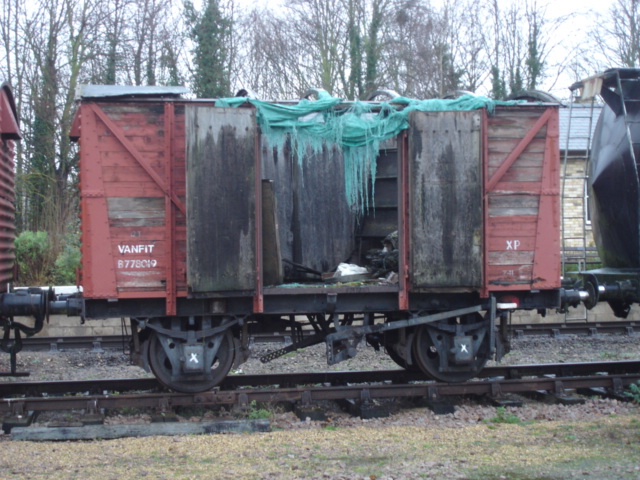 This week we undertook a particularly important task: weatherproofing BR ‘Vanfit’ B778019 as much as possible. This van, located at Ferry Meadows station, is in something of a precarious state as can be seen in the photo above. It has been without a roof for several years and has been deteriorating, so it was an early priority for at least some kind of temporary weather protection. The recent re-roofing of a stores van at Wansford meant a suitable heavy-duty tarpaulin was now available for the purpose, at no cost to the railway/group.
 A ridge beam, using salvaged timber, was lashed into place to help prevent the tarpaulin from sagging, which allows rain water to pool and pour into the van.


 NVR Wagon Group